Tech Helps Most Vulnerable With Better Flood Warnings
- By CDOTrends editors
- February 15, 2023
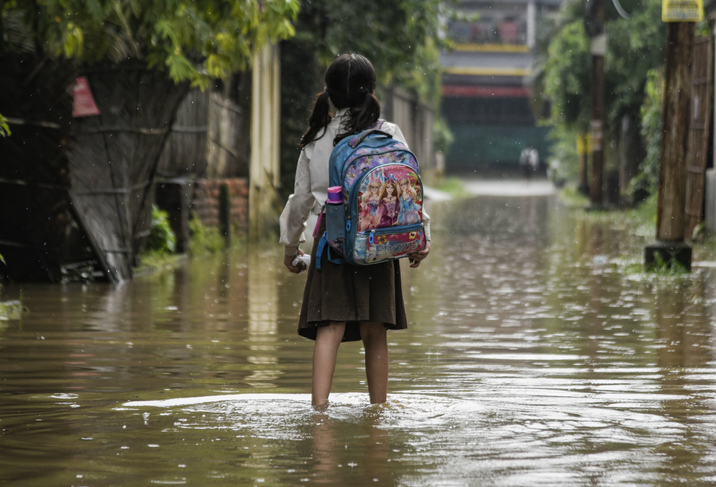
In India, floods are a major problem. With traditional forecasting methods unable to provide accurate predictions in time for people to adequately prepare, researchers at Yale University have teamed up with Google.org to develop a new machine learning system. It can predict river floods more accurately and provide timely warnings to those most vulnerable.
Jogender Yadav, a resident of Bihar, experienced firsthand the devastation of floods before creating this system. “The river herself tells us when she is coming,” he said to the Yale researchers. However, the lack of a warning system in their community resulted in the loss of his crops when his village was flooded in 2022.
Using a system based on satellite imagery from NASA, Google.org has been able to create an effective warning system for vulnerable individuals in small communities like those in Bihar, India. Thanks to this system, rural villagers can receive timely warnings of potential flooding and are better equipped to respond.
Maulik Jagnani and Rohini Pande, the Yale researchers who collaborated to create the system, acknowledge how difficult it is for small and remote communities to access reliable information on flooding risks. To ensure widespread adoption, the team had to create an early warning system tailored to these communities and their needs.
The Yale-Google collaboration has been able to do just that. By pairing Google’s cutting-edge forecasting and Android-based alerting system with monetarily incentivized grassroots volunteers trained in community outreach, the system can provide timely warnings of potential flooding and help protect vulnerable populations.
Thus far, the system has been successfully implemented in 319 Bihari communities and has served more than 3.6 million people.
Initial results demonstrate that those living in treatment communities were 27% more likely to get notified between June-October 2022; they received 2.37 additional alerts (a 290% increase); had a 50% higher chance of alerting before the water reached their area; and were 57% likelier to report receiving highly accurate warnings about floods.
"These study results prove the new system’s high potential for saving lives and property. However, there are still remaining questions that we aim to investigate over the next few months: What is the final impact of this intervention? Are fewer assets lost and more lives saved as a result of this new early warning system?" Jagnani and Pande noted.
According to them, the following steps involve strengthening and expanding the system to reach even more vulnerable people. They believe that by leveraging digital technology and human expertise, the system can become even more accurate and increase the number of lives it saves and the number of communities it serves.
Image credit: iStockphoto/D. Talukdar