IBM and AMD Build a Hybrid Brain for the Universe
- By CDOTrends editors
- September 24, 2025

In a major move to shape the future of computing, IBM and AMD have teamed up to build what they call “quantum-centric supercomputing.” This partnership will create powerful new computer systems that combine the raw muscle of today's fastest computers with the entirely new power of quantum machines.
This partnership aims to develop a new approach to computing through a unified, hybrid system. The regular supercomputers will handle the massive data and everyday tasks they're good at, while the new quantum computers will tackle the big, complex problems that are simply too difficult for any machine today. This could lead to breakthroughs in areas such as discovering new medicines, developing new materials, or solving complex logistics puzzles.
“Quantum computing will simulate the natural world and represent information in an entirely new way,” said Arvind Krishna, chairman and chief executive officer at IBM, in a press release. “By exploring how quantum computers from IBM and the advanced high-performance compute technologies of AMD can work together, we will build a powerful hybrid model that pushes past the limits of traditional computing.”
To understand how this is so different, think of a regular computer like a light switch that is either on or off (a one or a zero). A quantum computer uses "qubits" that are like a light switch that can be on, off, or somewhere in between — all at the same time. This simple change enables quantum computers to explore many more possibilities simultaneously, granting them a distinct ability to solve certain problems.
“High-performance computing is the foundation for solving the world's most important challenges,” said Dr. Lisa Su, chair and chief executive officer of AMD. “As we partner with IBM to explore the convergence of high-performance computing and quantum technologies, we see tremendous opportunities to accelerate discovery and innovation.”
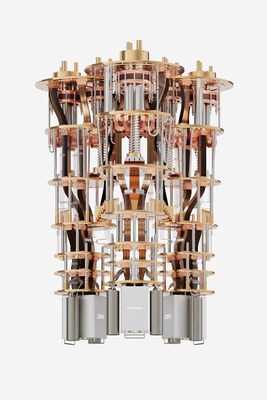
The companies will work to connect AMD's powerful data center-grade computer chips with IBM's quantum machines. They also hope to use AMD's technology to help with real-time error correction, a crucial step to make quantum computers much more reliable and accurate.
IBM has already been exploring this idea by linking its quantum computer, IBM Quantum System Two (see image), with Fugaku, one of the world's fastest supercomputers. Similarly, AMD’s chips power Frontier and El Capitan, which are currently the two fastest supercomputers on the planet. This means that both companies bring top-tier expertise to the table, and they're ready to combine these two different kinds of power to solve the world's biggest challenges.
Bottom line
This announcement signals a future where quantum capabilities will not exist in isolation. Instead, they will be an extension of your existing infrastructure.
For chief data officers and infrastructure teams, the significance lies in preparing for this new hybrid architecture. You need to start thinking about how to build a scalable framework that can smoothly integrate quantum and classical computing resources. The ability to handle complex, specialized workloads on a quantum backend, while using your existing high-performance computing assets for massive data analysis, is key to unlocking new value.
The partnership's focus on open-source ecosystems, such as Qiskit, and the promise of real-time error correction are critical, as they point to a more stable and accessible path toward integrating these powerful, new workflows into your enterprise.
Image credits: iStockphoto/Iaremenko, IBM (inside render)
Stay ahead with CDO Nexus
Join an exclusive community of CDOs and data leaders
- Access curated trends and thought leadership from IBM and industry experts.
- Participate in private roundtables and webinars to solve regional CDO challenges.
- Connect with a network of like-minded leaders navigating the same data landscape.