The Future Is Human: How AI Is Making Us More Valuable
- By DWFTrends editors
- February 02, 2025
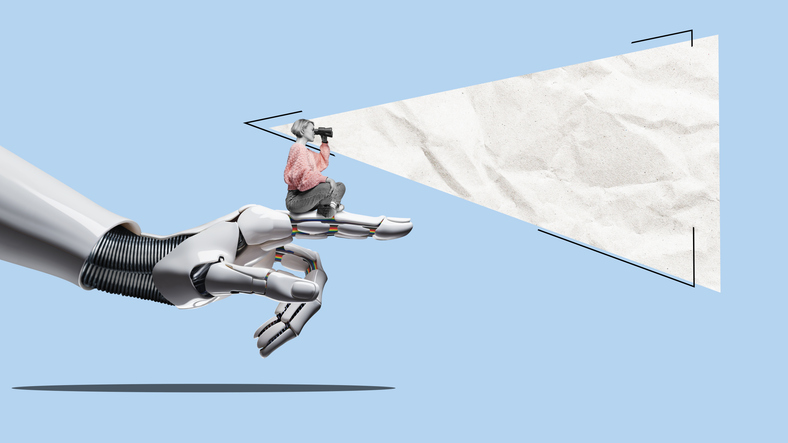
Forget the dystopian visions about machines replacing humans — it's about machines empowering humans. And it’s getting more urgent that CHROs have the answer to how they are going to achieve this.
Workday's latest research, "Elevating Human Potential: The AI Skills Revolution," shows that it is a fact that AI has become increasingly integrated into our daily workflows. In turn, it has made uniquely human skills like empathy, ethical decision-making, and relationship-building as the most valuable assets in a company’s arsenal. This isn't just a trend; it's a fundamental redefinition of what it means to thrive in the age of AI.
Deciphering the human-AI partnership
The research paints a picture of a workplace where humans and AI work in concert, each augmenting the other's strengths. AI takes over mundane tasks, freeing up human capital for higher-level responsibilities like strategy, problem-solving, and creative ideation. Imagine a world where your HR team, instead of drowning in paperwork, can focus on building meaningful connections with employees and fostering a culture of belonging.
This symbiotic relationship is already being embraced by forward-thinking companies. 93% of active AI users report that AI allows them to focus on more strategic work. Far from being a threat, AI is unlocking the human potential.
Cultivating the human advantage
But here’s where it becomes challenging. While AI may augment humans, CHROs need a new approach to human skills development. For example, the research suggests that CHROs shift their focus from purely technical skills to a more holistic approach that prioritizes uniquely human capabilities. Think critical thinking, complex problem-solving, emotional intelligence, and the ability to navigate ethical dilemmas in an AI-driven world.
The research also shows a concerning gap between employees and leadership on this issue. While 82% of employees believe that human connection will become even more crucial in the age of AI, only 65% of managers agree. CHROs need to address this gap urgently. They need to champion a culture that values human interaction and fosters genuine connection, even as AI takes on a more prominent role.
Building trust in an AI-powered workplace
The rise of AI also brings with it a heightened need for ethical considerations. As algorithms increasingly influence decision-making processes, it's crucial to ensure that these systems are fair, unbiased, and transparent.
The research suggests that CHROs take the lead in establishing ethical frameworks for AI implementation. They need to ensure the necessary human oversight remains a central component of any AI-driven initiative.
Bottom line
The AI revolution is an opportunity for CHROs to redefine their role and become architects of a future where human potential is maximized. Here's how:
- Reimagine skills development: Prioritize uniquely human skills like empathy, ethical decision-making, and relationship building alongside technical AI proficiency.
- Foster human connection: Create a workplace culture that values human interaction and genuine connection, even as AI takes on more tasks.
- Champion ethical AI: Establish clear ethical guidelines for AI implementation and ensure human oversight in all AI-driven initiatives.
- Embrace lifelong learning: Encourage a culture of continuous learning and upskilling to adapt to the evolving demands of an AI-powered world.
The future of work is not about humans vs. machines; it's about humans and machines. And it’s up to CHROs to nurture this mindset and proactively cultivate the human advantage. Else, they will miss out on the critical human advantage.
Image credit: iStockphoto/FotografieLink