The Agentic HR: Singapore’s New Back-Office Logic
- By DWFTrends editors
- January 21, 2026
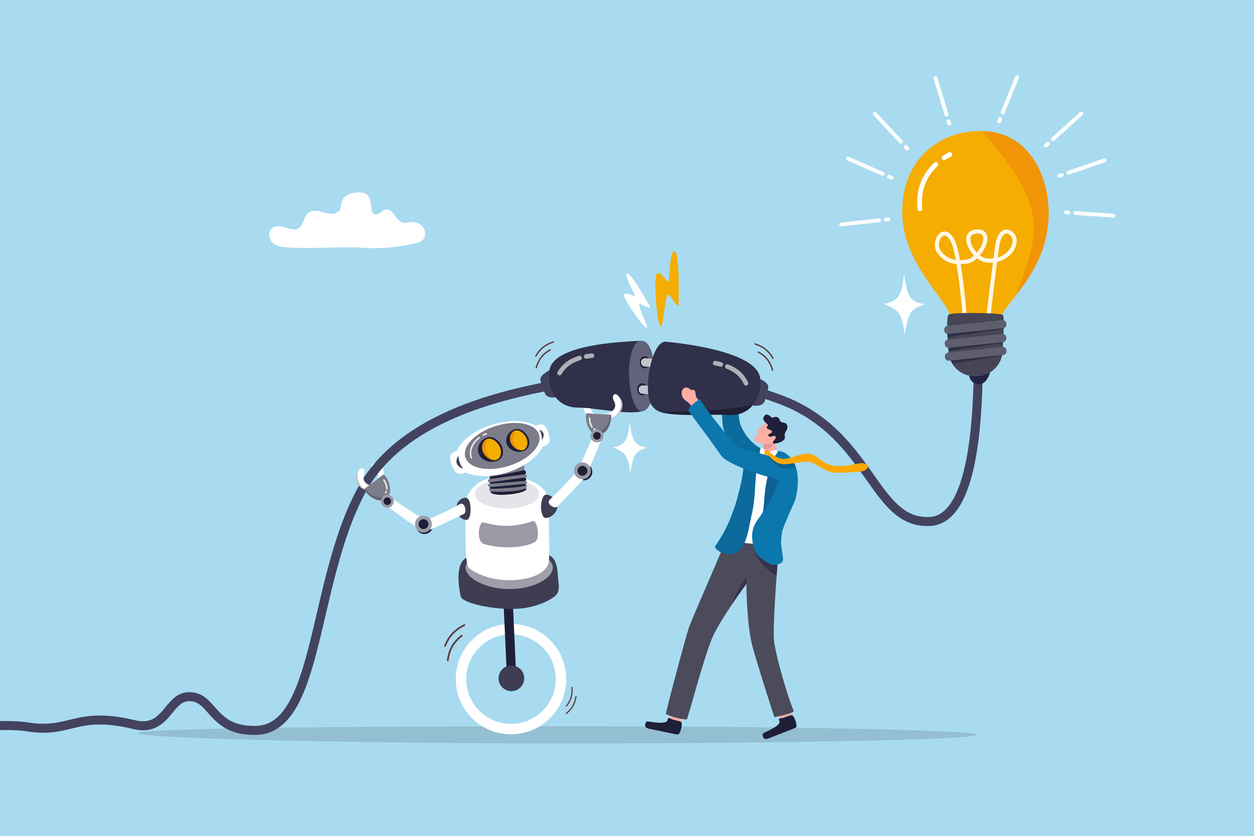
The robots may not yet be coming for your job. But they’re certainly at HR’s door.
According to ADP’s newly released 2026 HR Trends Guide, AI has officially graduated from buzzword to business-critical infrastructure. And nowhere is this transformation more evident than in Singapore, where 51% of organizations now consider AI essential to improving payroll productivity.
With Agentic AI, which refers to AI systems capable of handling complex, multi-step workflows with minimal human hand-holding, this dependence is about to get stronger.
“Agentic AI unlocks new frontiers of automation, coordinating multistep work and adapting to real-world variability,” explains Amin Venjara, ADP’s chief data officer. The keyword is variability. It means we have AI that can actually handle the messy reality of HR operations, from onboarding processes that differ by department, validation workflows that change based on employee type, to payroll calculations that vary by jurisdiction.
Yet, despite all the talk about AI, human oversight remains non-negotiable. “Human oversight provides purpose and guardrails, clarifying objectives, approving critical actions, and reviewing impacts,” Venjara notes. It means that the machines may be getting smarter, but they still need adult supervision. Together, this human-AI partnership delivers what Venjara calls “scalable automation that’s trustworthy, compliant, and resilient when conditions change.”
Singapore, with its Smart Nation initiatives and existing AI governance frameworks, is particularly well-positioned to lead this transformation. Jessica Zhang, ADP’s senior vice president for APAC, describes the 2026 workplace as “intelligent, interconnected, and human-centric” — three adjectives that would have sounded contradictory a decade ago but now define the modern employment landscape.
Yet for all the promise of AI-powered efficiency, there’s a glaring skills gap that threatens to undermine the entire transformation. Only 23% of Singapore workers believe they have the skills needed to advance their careers. This creates an existential crisis for organizations trying to build AI-literate workforces.
Companies are responding by mapping skill inventories, redesigning roles, and using technology to match talent with organizational needs. But technology alone won’t solve what is fundamentally a human development challenge. “Employers must invest in the right platforms, training, and workforce strategies so their people can grow with the technology,” Zhang emphasizes.
The transparency issue adds another layer of complexity. ADP’s data reveals that 35% of Singapore companies plan to improve payroll transparency within the next two to three years. It highlights a response to both worker expectations and the global spread of pay transparency laws. “Employers must evaluate their compensation levels now, both internally and externally, and ensure current pay ranges are fair, competitive and based on objective work-related criteria,” advises Helena Almeida, ADP’s AI legal officer.
For multinational organizations operating across Asia, this creates a compliance challenge. Cross-border teams mean navigating multiple, sometimes conflicting legal frameworks governing payroll, data use, working hours, and record-keeping. The ADP guide suggests developing core standards that protect workers’ rights while remaining flexible enough to adapt to local requirements.
The larger picture emerging from ADP’s research is that AI isn't replacing HR — at least not yet. Instead, it’s forcing HR to evolve at unprecedented speed. The winners will be organizations that recognize this transformation requires more than buying new software. It demands rethinking job design, rebuilding skills from the ground up, and establishing governance frameworks that balance innovation with accountability.
The workplace of 2026, as Zhang puts it, requires people who can “grow with the technology and drive meaningful business outcomes.” That’s the real challenge: not whether AI can do the work, but whether humans can learn to work differently alongside it.
Image credit: iStockphoto/Nuthawut Somsuk